Alpha Lipoic Acid And Acetyl L-Carnitine What are the side effects of Acetyl-L-carnitine alpha-lipoic acid?
\nWhat Are the Side Effects of Acetyl-L-Carnitine Alpha-Lipoic Acid?
\n\nWhen you hit your late 30s or early 40s, the midday energy slump starts hitting differently. It is no longer just about feeling tired; it is a heavy cloud of brain fog, a sudden sluggishness in your metabolism, and the realization that your body does not bounce back from a poor night’s sleep the way it used to. In search of a clean energy boost that does not rely on jitters or extra caffeine, many women turn to mitochondrial stacks. The combination of Acetyl-L-Carnitine (ALCAR) and Alpha-Lipoic Acid (ALA) has surged in popularity for this exact reason, frequently marketed as a cellular rejuvenation powerhouse.
\n\nHowever, as these supplements transition from niche biohacking forums to mainstream bathroom counters, a critical question arises: what are the side effects of Acetyl-L-carnitine alpha-lipoic acid? While the promise of sharpened focus and cellular support is highly appealing, these are biochemically active compounds that alter how your body handles energy production and metabolic waste. This article provides an objective, consumer-first evaluation of this specific supplement duo, detailing what happens when it interacts with your digestive tract, your hormonal balance, and your daily routine.
\n\nWhat Acetyl-L-Carnitine Alpha-Lipoic Acid Is and Who It Might Fit Best
\n\nTo understand the potential risks, it helps to look at what this dual formulation actually does in the body. Acetyl-L-Carnitine is an amino acid derivative that plays a structural role in transporting fatty acids into your cellular mitochondria, where they are burned for fuel. Because it possesses an acetyl group, it can cross the blood-brain barrier, making it uniquely active in cognitive pathways. Alpha-Lipoic Acid, on the other hand, is a universal antioxidant—soluble in both water and fat—that works inside and outside the cells to neutralize free radicals and regenerate other antioxidants like vitamins C and E.
\n\nWhen combined, these two ingredients act as a tag team for your cellular power plants. This particular formulation typically fits women in the 35–44 age bracket who are starting to notice early signs of age-related mitochondrial slowdown, such as persistent mental fatigue, trouble concentrating during demanding work hours, or a feeling that their metabolic rate has shifted downward despite consistent diet and exercise. It is also frequently considered by individuals looking to protect peripheral nerve function or those managing mild, age-associated insulin sensitivity changes. However, it is far from a one-size-fits-all remedy, and its biological potency means it demands a cautious approach.
\n\nPractical Benefits and Where It Falls Short
\n\nOn paper, pairing ALCAR and ALA creates a compelling biochemical synergy: one delivers the fuel, while the other cleans up the metabolic exhaust. For many users, this translates into a sustained, non-stimulant form of mental clarity. Unlike caffeine or synthetic pre-workouts, there is typically no sudden spike in heart rate or an abrupt evening crash. Instead, the effects manifest as a subtle baseline shift—noticeably fewer moments of staring blankly at a computer screen at 3:00 PM, and a bit more resilience during demanding physical tasks.
\n\nHowever, the real-world application reveals where this combination often falls short. Many consumers purchase these bottles expecting immediate, dramatic weight loss or an overnight reversal of years of fatigue. The reality is much more modest, and for some, the physical cost of taking the supplement outweighs the perceived benefits. For example, the high acidity of ALA can be incredibly harsh on a sensitive stomach, causing severe heartburn that mimics a medical emergency if taken without adequate food.
\n\nConsider the experience of Sarah, a 41-year-old project manager who integrated a standard combination capsule (500mg ALCAR / 200mg ALA) into her morning routine to combat executive burnout. For the first ten days, she noted a welcome sharpness in her focus and less reliance on her second cup of coffee. By week two, however, she developed persistent, sour stomach acid every morning and a strange, sulfur-like odor in her perspiration. She had to discontinue the supplement because the gastrointestinal distress distracted her more than the brain fog ever did.
\n\nConversely, look at the case of Elena, a 38-year-old fitness enthusiast who took the same formulation on an empty stomach right before her fasted morning workouts. Within 45 minutes, she experienced sudden cold sweats, shakiness, and dizziness. Because alpha-lipoic acid enhances glucose uptake into muscles, it caused her blood sugar to drop rapidly during exercise. This negative reaction highlights a significant drawback: without strict attention to meal timing and individual metabolic baselines, the formula can trigger disruptive physical symptoms.
\n\n \n
\nWhat Research Suggests and What It Doesn\'t
\n\nWhen analyzing clinical literature regarding the acetyl l carnitine alpha lipoic acid side effects, it is vital to balance laboratory data with real-world limitations. Human clinical trials demonstrate that while the combination is generally well-tolerated by healthy individuals at standard therapeutic doses, adverse reactions are well-documented. Studies focusing on cognitive decline and neuropathic comfort show that mild side effects occur in roughly 5% to 12% of participants, depending heavily on the dosage used.
\n\nThe research emphasizes specific biological mechanisms and limitations:
\n- \n
- Thyroid Hormone Interference: Clinical evidence suggests that Acetyl-L-Carnitine can inhibit both the entry and the activity of thyroid hormones (T3 and T4) into body cells. For individuals with sluggish thyroid function or those on thyroid hormone replacement therapy, this can worsen hypothyroid symptoms like unexplained fatigue, weight gain, and dry skin. \n
- Hypoglycemic Risks: Alpha-Lipoic Acid improves insulin sensitivity by encouraging glucose transport. While beneficial for metabolic control, when combined with prescribed diabetes medications, it can drop blood glucose levels below safe thresholds, causing hypoglycemia. \n
- Chemical Structural Irritation: Because ALA is an organic acid containing sulfur atoms, it frequently causes upper gastrointestinal irritation and imparts a distinct, harmless but unpleasant odor to urine and sweat, resembling asparagus or burning rubber. \n
It is crucial to note that current scientific data does not support this combination as a cure for metabolic disorders or chronic fatigue syndrome. Most positive studies are small or limited to animal models; human outcomes vary significantly based on genetic baselines and lifestyle factors.
\n\nIngredients, Formats, and Quality Signals
\n\nNavigating the supplement aisle reveals that not all ALCAR-ALA blends are manufactured equally. The raw forms of these ingredients are highly sensitive to moisture, heat, and light, meaning that poor manufacturing leads to rapid degradation and increased digestive side effects. Look closely at the ingredient panel to see exactly what form of each compound is being used.
\n\nFor Acetyl-L-Carnitine, ensure it is explicitly listed as "Acetyl-L-Carnitine HCl," which is the stable, bioavailable salt form that properly crosses the blood-brain barrier. Avoid formulations that simply list "L-Carnitine," as it lacks the acetyl group required for optimal cognitive support. For Alpha-Lipoic Acid, you will often find it as a racemic mixture (containing both R and S isomers, labeled as R/S-ALA) or as pure R-Alpha-Lipoic Acid (R-ALA). R-ALA is the form found naturally in the human body and is significantly more bioavailable, allowing you to take a much lower dose to achieve the same metabolic effect, which can drastically reduce the occurrence of severe acid reflux.
\n\nQuality signals are your primary defense against heavy metals, residual chemical solvents, and unlisted fillers. Because the FDA does not approve dietary supplements before they hit the market, look for brands that display verifiable third-party testing seals from organizations such as the U.S. Pharmacopeia (USP), NSF International, or ConsumerLab. Furthermore, ensure the product is manufactured in a cGMP (Current Good Manufacturing Practice) compliant facility. If a label fails to disclose these quality standards, or hides its dosages behind a vague "proprietary mitochondrial blend," it is best to leave it on the shelf.
\n\nComparison of Common Options
\n\nTo help you see how different configurations of these two ingredients impact your wallet and your wellness, here is a breakdown of the common options available on the market today:
\n\n| Format | \nTypical Dose / Use | \nPros | \nCons | \nCost (Approx.) | \nBest For | \n
|---|---|---|---|---|---|
| Combined Single Capsule (Standard) | \n500mg ALCAR / 200mg ALA per day | \nConvenient; single bottle tracking; balanced baseline ratio. | \nCannot adjust individual ingredients; often uses cheaper S-ALA. | \n$25 - $35 per month | \nBeginners seeking general cellular and cognitive support. | \n
| Premium R-ALA Co-Formulation | \n500mg ALCAR / 100mg R-ALA per day | \nSuperior bioavailability; less likely to cause severe acid reflux. | \nHigher price point; harder to source from basic brands. | \n$45 - $60 per month | \nThose with sensitive stomachs or specific metabolic goals. | \n
| Split Individual Bottles | \nUser defined (e.g., 1000mg ALCAR + 300mg ALA) | \nComplete dosage control; can stop one ingredient if side effects occur. | \nInconvenient; requires taking multiple large pills daily. | \n$35 - $50 combined | \nExperienced biohackers adjusting for specific side effects. | \n
| Liquid / Liposomal Blends | \n1 teaspoon daily (variable concentrations) | \nEasier to swallow; bypasses some initial stomach irritation. | \nOften contains artificial flavors or stabilizers; short shelf life. | \n$40 - $55 per bottle | \nIndividuals who struggle with swallowing large capsules. | \n
| Bulk Unflavored Powders | \nCustom scoop measurements | \nMost cost-effective; zero pill fillers or binding agents. | \nExtremely bitter, chemical taste; high risk of measuring errors. | \n$15 - $25 (lasts 3+ months) | \nBudget-focused consumers comfortable using digital milligram scales. | \n
Buying Framework and Red Flags
\n\nWhen shopping for this supplement combination, approaching the purchase with a critical framework will protect both your physical health and your wallet. Do not rely on flashy social media packaging or vague promises of "eternal youth." Instead, use this verified checklist to vet your options:
\n\n- \n
- Check the Allergen and Filler Statement: Ensure the capsule does not contain unnecessary hydrogenated oils, artificial colorings, or excessive magnesium stearate, which can exacerbate gastrointestinal side effects. \n
- Verify the Specific Ingredient Forms: Look for "Acetyl-L-Carnitine" rather than just "L-Carnitine," and check if the ALA source is clearly defined. \n
- Confirm Third-Party Testing Availability: A reputable brand should provide a Certificate of Analysis (CoA) upon request to confirm purity and potency. \n
- Evaluate the Price-to-Dose Ratio: If a product is priced drastically lower than the market average, it often indicates degraded raw materials or sub-therapeutic dosages. \n
Be on high alert for specific retail red flags. If a brand uses phrases like "clinically proven to melt belly fat" or "guaranteed to reverse brain aging," turn away. Reputable manufacturers respect biochemical boundaries and state their benefits realistically. Another major red flag is the inclusion of "proprietary energy blends" where the exact milligrams of ALCAR and ALA are hidden behind a single total number. This tactic allows manufacturers to pad the product with cheap fillers while including only trace amounts of the active, expensive ingredients.
\n\n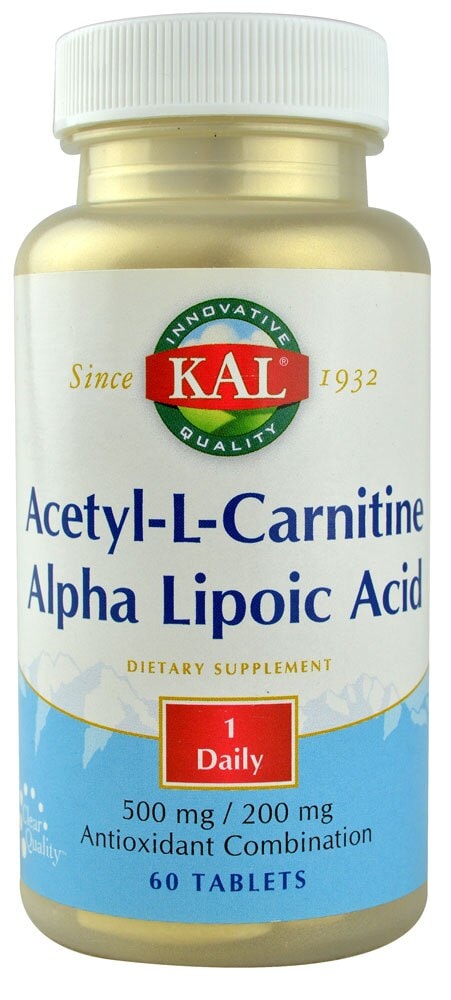 \n
\nCommon Mistakes and How to Avoid Them
\n\nThe most frequent mistake consumers make when starting this stack is taking it first thing in the morning on an empty stomach with a cup of black coffee. Because both components—especially alpha-lipoic acid—are highly acidic, this creates a harsh environment in the stomach, leading to immediate nausea, burning acid reflux, or a sudden wave of dizziness caused by rapid glucose shifting. To avoid this, always take your capsule midway through a balanced meal containing a mix of healthy fats and carbohydrates to buffer the absorption and protect your stomach lining.
\n\nAnother common misstep is adopting an "all-or-nothing" approach to dosage. Many people read the label, assume they need maximum strength to see results, and immediately take multiple capsules on day one. This sudden shock to your metabolic system often triggers immediate acetyl l carnitine and alpha lipoic acid side effects like mild insomnia, restlessness, or loose stools. A much safer protocol is to start with a fractional dose—such as a single capsule containing lower amounts—and observe how your body adapts over several days before scaling up to the manufacturer’s full recommended serving.
\n\nFAQ
\n\nIs it proven that Acetyl-L-Carnitine and Alpha-Lipoic Acid cause long-term health complications?
\nThere is currently no definitive clinical proof that standard, oral doses of these supplements cause long-term health complications in healthy individuals. Most observed side effects are short-lived and reverse completely once the supplement is discontinued. However, long-term risks increase significantly if you have pre-existing undiagnosed thyroid conditions or if you take high doses without regular metabolic monitoring.
\n\nHow long does it take for ALCAR and ALA side effects to manifest after starting?
\nThe timeline for side effects varies by type. Acute reactions like stomach irritation, acid reflux, or mild dizziness from blood sugar shifts can manifest within 30 to 90 minutes of your very first dose. Conversely, systemic changes—such as body odor modifications, sleep disturbances, or a gradual sluggishness related to thyroid hormone interference—typically take 7 to 14 days of continuous daily use to surface.
\n\nWhat are the side effects of Acetyl-L-carnitine alpha-lipoic acid when taken on an empty stomach?
\nWhen taken without food, the primary side effects are severe gastrointestinal distress, including heartburn, nausea, abdominal cramping, and acid regurgitation. Additionally, because alpha-lipoic acid enhances cellular insulin sensitivity rapidly, taking it in a fasted state can cause a sudden dip in blood glucose levels, leading to shakiness, cold sweats, and acute lightheadedness.
\n\nCan it combine with blood pressure or thyroid medications safely?
\nNo, combining this stack with these specific medications carries notable risks. Acetyl-L-Carnitine can actively block thyroid hormone activity, rendering your thyroid medication less effective and potentially skewing your blood lab panels. Alpha-Lipoic Acid can alter vascular tone and blood sugar regulation, which may interact unpredictably with anti-hypertensive drugs. Always consult your healthcare provider to adjust your medication monitoring if you plan to introduce this supplement.
\n\nAre there significant differences between oral vs alternative delivery methods regarding side effects?
\nYes, there are distinct differences between oral vs alternative delivery methods. Oral capsules pass through your entire digestive tract, making them highly prone to causing stomach upset, acid reflux, and altered urine odor due to metabolic breakdown in the gut. Alternative methods, such as intravenous (IV) therapies or liposomal liquids, bypass the initial digestive process, which virtually eliminates gastric burning but can cause a more rapid, intense drop in blood sugar or temporary vein irritation.
\n\nA Practical 2-Week Experiment Framework
\n\nIf you and your doctor decide to test this supplement stack, executing a structured, short-term trial can help you monitor your body\'s tolerance while minimizing risks. Here is a practical, step-by-step framework to evaluate how well you tolerate the formulation over a standard 14-day window:
\n\nDay 1 to Day 3: The Tolerance Test
\nStart with exactly half of the manufacturer\'s suggested daily dose. Take this half-dose exclusively midway through your largest meal of the day (preferably lunch). Do not take it around your workout times or with your morning coffee. Monitor for immediate physical feedback, focusing closely on stomach comfort, unexpected heart racing, or mid-afternoon dizziness.
Day 4 to Day 7: Baselines and Observations
\nMaintain the introductory half-dose. Keep a brief daily log on your phone tracking three specific metrics: your afternoon energy levels, your sleep quality at night, and any subtle changes in your digestion or body odor. If you experience persistent sour stomach acid or sleep disruptions that last more than two consecutive days, pause the experiment; this indicates that the baseline ratio or raw material form may not suit your system.
Day 8 to Day 14: Standard Dose Tracking
\nIf you have experienced zero negative reactions, step up to the full recommended daily dose listed on the bottle. Split the serving if possible—taking one portion with breakfast and another with lunch. Continue tracking your sleep patterns and digestive comfort. By day 14, review your log. If you notice a steady, reliable improvement in mental clarity without any accompanying physical discomfort, you have identified a sustainable usage profile for your personal biochemistry.
About the Author
\n\nJoanna Vance is a veteran dietary supplement analyst and functional wellness researcher with over twelve years of experience evaluating consumer health products. Holding a background in nutritional biochemistry, she specializes in demystifying complex formulations for everyday consumers, focusing heavily on product safety, clean sourcing, and manufacturing transparency. She has zero financial affiliations with any specific supplement brands mentioned across this platform.
\n\nDisclaimer: The information presented in this article is intended strictly for educational and informational purposes. It is not designed to serve as medical advice, or to diagnose, treat, cure, or prevent any health condition or disease. Individual metabolic responses to dietary supplements vary significantly based on genetics, existing medical history, and prescribed pharmaceutical regimens. Always consult with a qualified healthcare professional or your primary care physician before introducing any new dietary supplement or changing your established wellness routine.
\n
Discussion